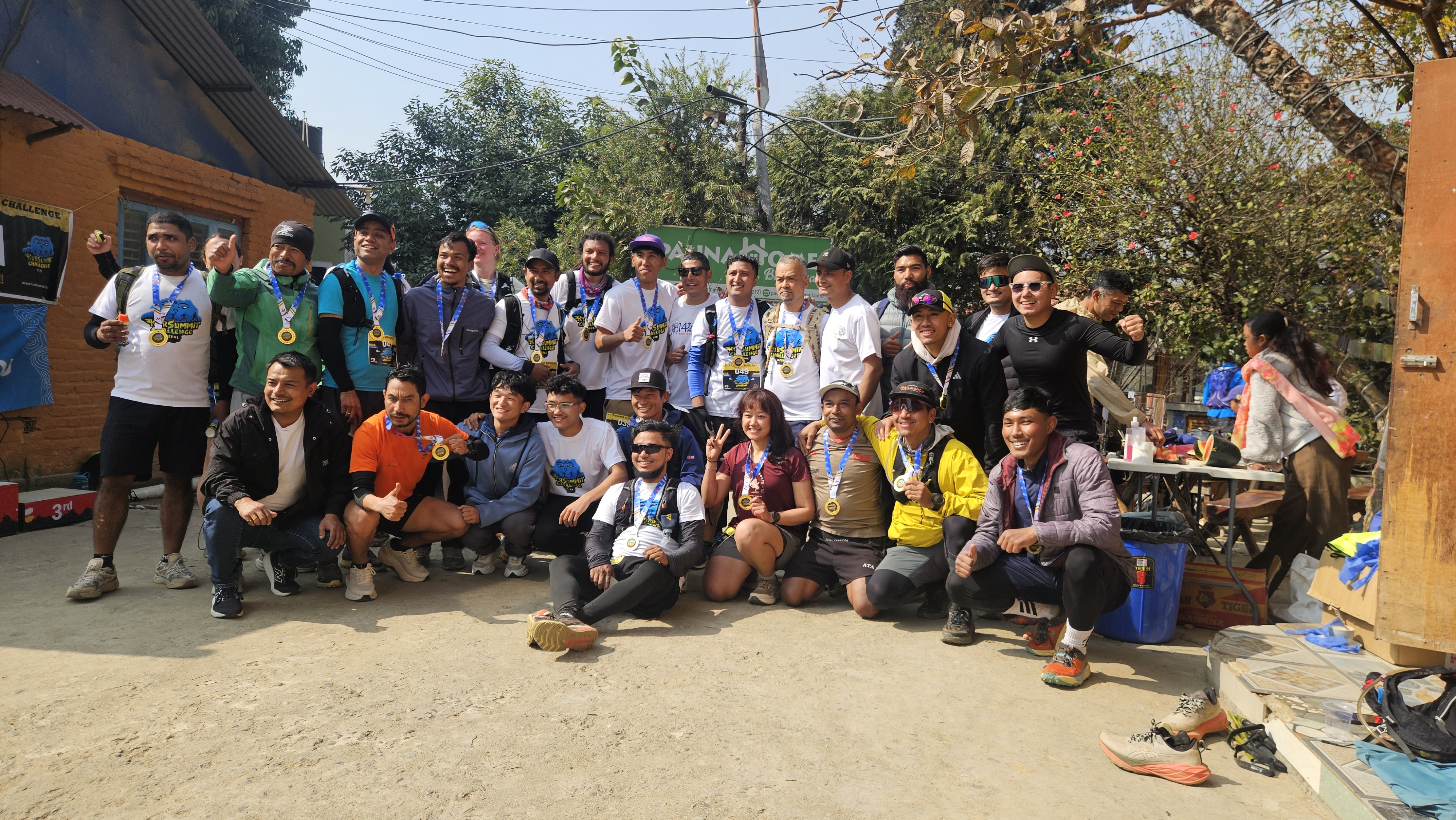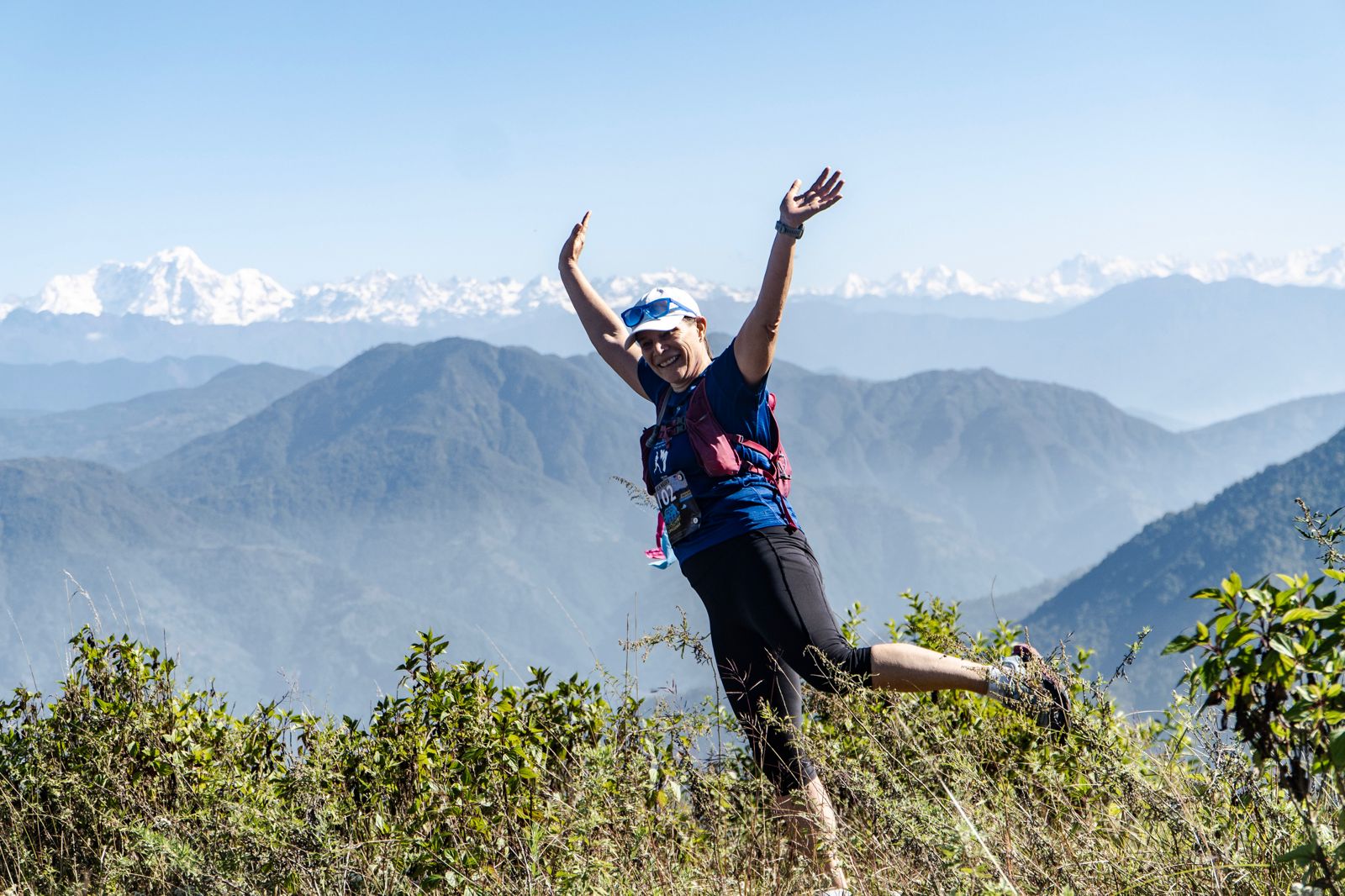
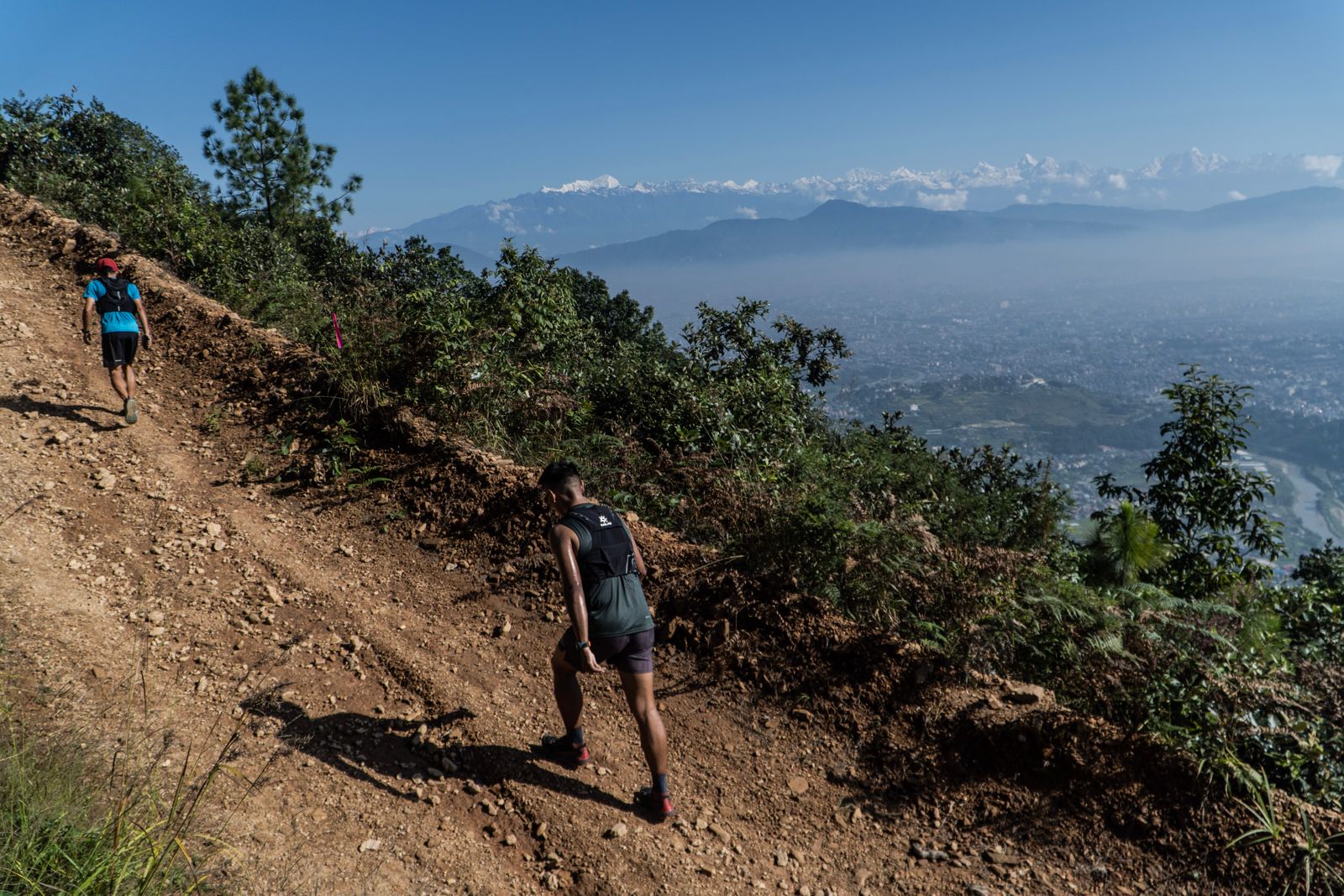
An ultramarathon, commonly known as an ultra, is generally defined as any running race that is longer than the traditional marathon distance of 42.195 kilometers (26.2 miles).
Running is often described as one of the simplest sports: put on your shoes, step outside, and start moving. But beyond the traditional road marathon lies a fascinating world of endurance running that takes athletes far beyond 42.195 kilometers—and often deep into mountains, forests, valleys, and remote landscapes.
Two terms you will frequently hear in this world are ultramarathon and trail running.
Although they are closely connected, they are not the same thing. An ultramarathon describes the distance or duration of a race, while trail running describes the terrain and environment where you run.
In Nepal, these two disciplines are growing rapidly. With its mountains, hills, forests, valleys, and centuries-old foot trails, Nepal offers a natural environment for trail and ultra running. Over the past decade, the sport has changed significantly.
Around 2015–16, Nepal had only a relatively small number of trail runners. Some Nepal Army personnel, a handful of Nepali runners, and expatriates were among the early participants. Today, running has become part of everyday life for many people, while a growing number of Nepali athletes are pursuing it professionally and competing at an international level.

What Is an Ultramarathon?
An ultramarathon, commonly known as an ultra, is generally defined as any running race that is longer than the traditional marathon distance of 42.195 kilometers (26.2 miles).
Unlike the marathon, there is no single standard distance for an ultramarathon. Ultras come in many different formats and distances, depending on the race and location.
Some of the most common distances include:
50 km
50 miles (80.5 km)
100 km
100 miles (160.9 km)
200 km or more
There are also ultramarathons that are based on time rather than distance. These can include 6-hour, 12-hour, 24-hour, and multi-day races, where the goal is to cover as much distance as possible within the allotted time.
Another fascinating format is the Backyard Ultra. In this format, runners must complete a fixed loop—usually 6.706 km (4.167 miles)—within one hour. A new loop starts every hour, and runners continue until only one competitor remains. There is no traditional finishing time; the last runner standing is the winner.
How Is an Ultramarathon Different From a Marathon?
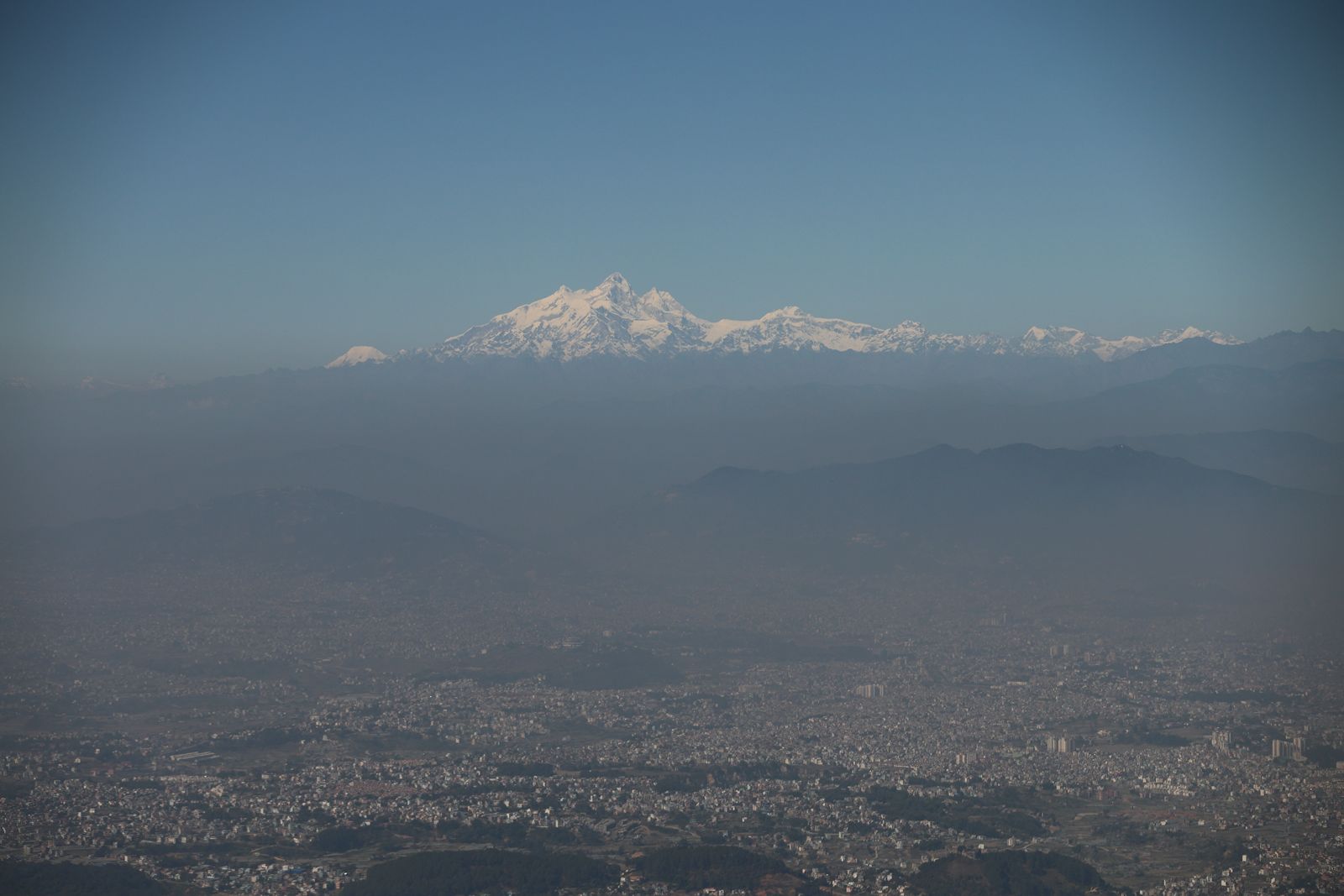
The most obvious difference is distance.
A marathon covers exactly 42.195 km, while an ultramarathon goes beyond that distance.
But running an ultra is about much more than simply adding kilometers.
As the distance increases, runners need to manage almost every aspect of their physical and mental performance, including:
Energy management
Nutrition and fueling
Hydration
Pacing
Sleep and recovery
Mental strength
Equipment
Time on feet
Weather and environmental conditions
A marathon may take a few hours for most runners, while an ultramarathon can continue for many hours, through the night, and sometimes for more than a day.
That changes the nature of the sport. In an ultra, running fast is only one part of the challenge. Knowing when to run, when to walk, when to eat, when to drink, and when to slow down can be just as important.